 EN
EN Italiano
 Nederlands
 Slovenščina
 Suomi
Suomi

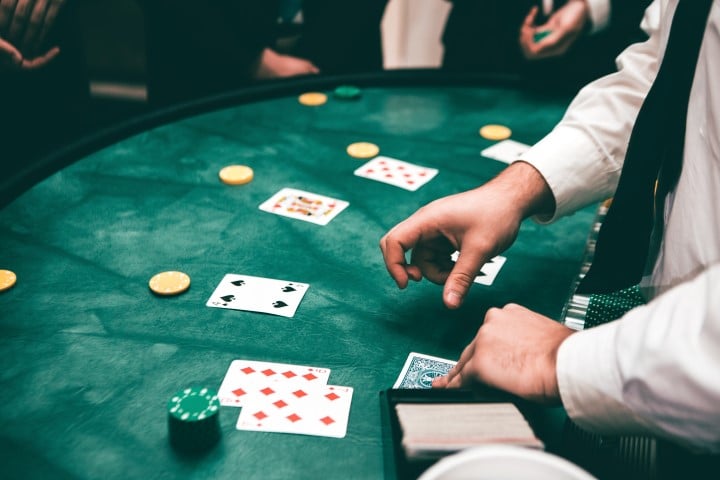
Card counting isn’t wizardry: it’s simple logic, mixed with a little sleight-of-brain. It's a strategy used mostly in blackjack to determine when the odds swing in your favor. The idea is to track the ratio of high cards (10s, face cards, Aces) to low cards left in the deck. When the deck is rich in high cards, the player has a better chance of hitting blackjack, while the dealer is more likely to bust.
Contrary to popular belief (and several Hollywood films), card counting isn’t illegal. However, casinos don’t take too kindly to it and may ask you to leave, or worse, blacklist you from their property faster than you can say "double down."
Card Counting Origins: Meet the Mathletes
Card counting first gained traction thanks to the legendary Edward Thorp, often dubbed the father of card counting. His book, Beat the Dealer, published in 1962, flipped the tables, quite literally, by mathematically demonstrating that players could indeed gain an edge over the house.
Fast forward a few decades, and the MIT Blackjack Team made headlines using Thorp’s theories (alongside their own twists) to rake in millions. One standout player from the team, Andy Bloch, became famous for his refined techniques and brilliant application of statistical models. These weren’t your average gamblers: they were Ivy League card ninjas.
While Thorp and Bloch get most of the fame, countless other players have quietly walked away with stacks of chips by simply mastering the math.
Popular Card Counting Techniques
Hi-Lo System
Beginner-friendly and effective, the Hi-Lo method assigns value to each card:
- 2 through 6 = +1
- 7 through 9 = 0 (neutral)
- 10, J, Q, K, A = -1
Keep a running total as cards are revealed. If the count rises, the deck probably contains more high cards, cue the triumphant music. This is the moment seasoned players increase their bets.
True Count (Accuracy Overdrive)
Hi-Lo is cool, but the True Count adds a little realism to the mix. Since most blackjack games now use multiple decks, you must adjust the count based on how many decks are left. Simply divide the running count by your estimated number of remaining decks. The result? A much truer reflection of the deck’s richness.
Back Counting (aka “Wonging”)
Think of this as the stealth mode of card counting. Popularized by John Ferguson (code name: Stanford Wong), back counting involves observing a game without playing, until the deck gets juicy. Once the count is favorable, you swoop in and place a bet. Camouflage glasses optional, but recommended for dramatic effect.
It’s a smart, risk-averse approach, though not always appreciated by dealers or fellow players. Ever tried sneaking into a hot table? You’ll definitely earn some side-eye.
How Casinos Counter Card Counting
Card counting may be fair game technically, but casinos aren’t about to let you walk away with their cash without a fight. Here are a few of the tactics they’ve adopted to protect the house:
1. Multiple Decks
Gone are the days of single-deck games. Most blackjack tables now use 6 to 8 decks, all shuffled together. This makes it harder to track cards accurately and dramatically reduces the card counter’s edge.
2. Continuous Shuffling Machines
Some tables now use continuous shuffling machines (CSMs) that redistribute cards into the deck after every hand, making counting nearly impossible. It’s the blackjack version of security cameras in slot machines: big brother is watching.
3. Heat from Pit Bosses
If you're consistently winning or changing your bet size in suspicious patterns, don’t be surprised if a suit starts hovering nearby. Casino staff are trained to spot counting behaviors: excessive focus, minimal socializing, and erratic bets are major red flags. (Pro tip: smile, chat, sip a drink. Look like a tourist, not a tactician.)
4. Cutting the Deck
Dealers might insert a plastic card several decks deep to prevent the final portion of the deck from being played. Why? Because that’s when counters thrive. It's the card counting equivalent of a speed bump, annoying, but effective.
Should You Try Card Counting?
That depends on your comfort with math, your poker face, and your willingness to risk the occasional casino escort to the exit. For most casual players, the thrill of learning the technique outweighs its practical application. But if you're serious about going toe-to-toe with the house? Practice, patience, and perseverance are your best allies.
Just remember: even the best card counters lose sometimes. This is, after all, still gambling. The key is consistency, discipline, and knowing when to walk away. And if it all feels too intense, there’s always online casinos where you can hone your skills in peace before stepping onto the real battlefield.
Final Thoughts
Card counting continues to capture the imagination of gamblers around the world. It’s not a get-rich-quick scheme, but it does offer a rare chance to flip the odds (slightly) in your favor. Think of it as bringing a scalpel to a knife fight. You’ve still got to be quick, but at least you’ve got an edge.
If you’re intrigued, give the techniques above a go. And while we can’t promise you’ll bring the house down Ocean’s Eleven style, we can guarantee a much deeper understanding of one of blackjack’s most legendary strategies.
Feeling lucky? Grab a deck, start practicing, and see who gets the last shuffle. 🃏